
Chibi Figure AI Generator — Turn Your Photo Into a Chibi (Free)
The Chibi Figure AI Trend Is Taking Over X Right Now
The internet cycles through AI image trends the way weather systems cycle through pressure fronts. The Studio Ghibli portraits came first in early 2025, sweeping through every social media platform in a matter of days. Then came the action figure boxes, where people turned themselves into blister-packed collectibles on LinkedIn, Instagram, and TikTok. Now the chibi figure trend has arrived, and it carries a specific combination of qualities that makes it spread faster than its predecessors.
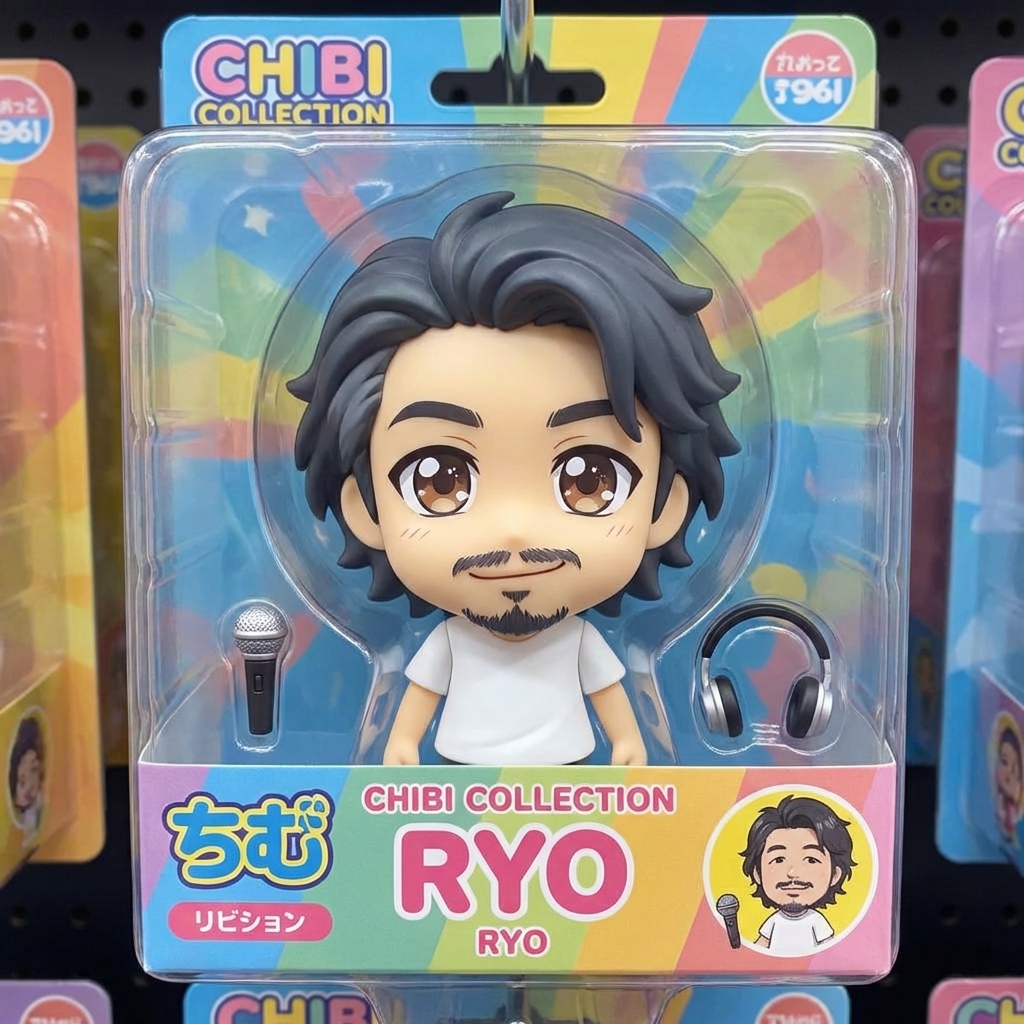
A chibi figure takes the action figure concept and compresses it into something cuter, smaller, and more shareable. The proportions shift dramatically: an oversized head sits on a compact body, enormous expressive eyes dominate the face, and the whole figure appears inside a miniature capsule or toy box. The aesthetic draws directly from Japanese gashapon machines and anime collectible culture, two visual traditions with global recognition and deep emotional resonance among anyone who grew up watching Cartoon Network, collecting Pokemon cards, or browsing anime conventions.
The numbers confirm what the feeds already show. The AI action figure trend generated over 150 million image generations on ChatGPT alone within its first month, according to OpenAI CEO Sam Altman, who described the server demand as "biblical." Brands including Mac Cosmetics, NYX, Royal Mail, Aldi, and Primark adopted the format for marketing campaigns. The chibi variant emerged as a distinct sub-trend because it occupies a different emotional register: where action figures project power and coolness, chibi figures project warmth and personality.
What separates the current wave from earlier AI image trends is accessibility. The first generation of tools required downloading apps, uploading ten to twenty reference photos, waiting twenty minutes to two hours, and paying twenty-nine to forty-nine dollars before seeing a single result. That friction filtered out everyone except early adopters with patience and disposable income. The tools available now, including immagenAI, have collapsed that entire process into a single photo, a single click, and approximately ten seconds of processing time.
How the AI Chibi Figure Generator Works
The technical architecture behind chibi figure generation has evolved significantly from the tools that powered the first wave of AI avatars in 2022. Lensa AI, the app that generated $30.7 million in a single month during December 2022, used Stable Diffusion with DreamBooth fine-tuning. That approach required uploading ten to twenty selfies so the AI could train a custom model on the user's face. The training step alone took fifteen to thirty minutes per user, consuming expensive GPU time and explaining why the service could not offer any free results.
Modern chibi figure generators skip the training step entirely. Instead of learning what a specific person looks like from multiple angles, they process a single image directly using multimodal AI models that understand facial structure, clothing, accessories, and context from one photograph. The result preserves the user's actual features, hair color, skin tone, and outfit while transforming everything into chibi proportions and rendering the figure inside realistic toy packaging.
The quality difference between AI chibi figure generators depends primarily on two factors: how well the AI preserves identity (does the figure actually look like you, or does it look like a random chibi character with vaguely similar hair), and how realistic the packaging appears (does it look like an actual product photo, or does it look like a cartoon drawing of a box). The generators that excel on both dimensions produce results that people genuinely mistake for photographs of real collectible figures.
immagenAI approaches this by sending the user's photograph directly to a multimodal AI model as image input rather than as metadata or a text description. This distinction matters because models that receive the actual image as a visual input can analyze facial geometry, lighting conditions, and micro-details at a resolution that text descriptions cannot capture. The output preserves individual characteristics like the exact angle of a jawline, the specific pattern of freckles, or the way a particular hairstyle falls, details that get lost when a model works from descriptions alone.
Create Your Chibi Figure in 10 Seconds: Step by Step
The process at immagenai.com requires exactly three interactions. First, upload a photo. Any clear image where your face is visible works. Front-facing selfies produce the best results, but three-quarter angles and casual shots also work if the face is well-lit and unobstructed. Second, select the Chibi Box style from the preset menu. Third, wait approximately ten seconds while the AI processes the image. The result appears on screen with a before/after comparison.
No account creation. No app download. No email address. The tool runs entirely in the browser on desktop and mobile devices. The first two transformations each day are free, delivered at standard resolution with a small watermark. Paid packs remove the watermark and increase resolution to 2048 pixels, starting at $5.99 for fifteen transforms.
For comparison, the most common alternative is opening ChatGPT, uploading a photo, writing a detailed prompt describing the chibi figure you want (including packaging style, accessories, background color, and character proportions), waiting for the generation, then iterating through several rounds of prompt refinement when the first result does not match your vision. That process works, but it requires a $20/month ChatGPT Plus subscription, familiarity with prompt engineering, and three to fifteen minutes of back-and-forth conversation. The tradeoff is that ChatGPT offers more customization, while dedicated tools like immagenAI offer more speed and consistency.
Why the Chibi Figure AI Filter Goes Viral: The Psychology
Three documented psychological mechanisms drive the chibi figure trend's virality, and understanding them explains why this particular format keeps outperforming other AI image styles in share rate.
Identity projection. Every chibi figure is uniquely personal. A sunset photo or a landscape AI generation is beautiful but impersonal. A miniature collectible version of yourself, rendered inside packaging with accessories that reflect your personality, triggers an immediate emotional response that generic AI art cannot match. Research on profile picture psychology consistently shows that images representing idealized or playful versions of the self generate higher engagement than literal photographs, because they invite conversation rather than passive consumption.
Social proof cascading. When three people in a feed post their chibi figures, the fourth person wants theirs. When the fourth person posts, two more people want theirs. This cascade effect accelerates because each output is visually distinct (your figure looks different from everyone else's), which prevents the "I've already seen this" fatigue that kills most meme formats within forty-eight hours. The Ghibli portrait trend lasted approximately two weeks before visual fatigue set in. The action figure trend has persisted for months because every result is inherently unique.
Low-friction reciprocity. When someone shares their chibi figure and a friend asks "how did you make that," the answer takes five seconds to explain and less than a minute to execute. This creates a rapid adoption loop that compounds with each share. When the answer is "go to immagenai.com, upload a photo, and pick Chibi Box," the conversion from curiosity to action approaches the theoretical maximum.
Chibi Figure vs Action Figure vs Toy Story: Which AI Filter Should You Pick?
The collectible figure AI trend has fragmented into several distinct aesthetics, each attracting a different audience. Here is how they compare:
[Action Figure](/presets/action-figure) renders you as a realistically proportioned figure inside a blister pack box, similar to Marvel Legends or Star Wars Black Series packaging. The proportions are human-accurate. This style resonates most with gamers, comic fans, and professionals who want a powerful self-representation. On LinkedIn, the action figure format became the default for personal branding posts.
[Chibi Box](/presets/chibi-box) shrinks the proportions to approximately a three-to-one head-to-body ratio, enlarges the eyes to roughly forty percent of the face, and renders the figure inside smaller, cuter packaging like gashapon capsules or miniature display boxes. The aesthetic comes directly from anime collectible culture, Nendoroid figures, and Funko Pop design language. This style resonates with anime fans and anyone whose personal brand leans playful rather than powerful.
[Toy Story Character](/presets/toystory-character) creates a Pixar-style 3D animated character with plastic toy-like skin texture, big round expressive eyes, and that signature Pixar warmth. The most broadly appealing of the three for social media profile pictures. Currently trending on Instagram.
[Pixar Character](/presets/pixar-character) is the original viral filter that started the 3D trend. Similar to Toy Story but with the broader Disney Pixar visual language.
immagenAI offers all four styles plus 36+ more, and many users try all of them to see which version of themselves they prefer.
Free AI Chibi Figure Generator: No App, No Signup
A pattern has emerged across every major AI image trend since 2022: the tools that offer free access capture the viral wave, and the tools behind paywalls watch from the sidelines. By 2026, users expect to try before they pay.
immagenAI is a free chibi figure AI generator that works in your browser. Two free chibi figure transforms per day with watermark demonstrate the quality. Paid packs start at $5.99 for fifteen HD transforms without watermark, scaling to $12.99 for fifty and $24.99 for one hundred fifty. For context, a professional photographer charges $150 to $300 for a portrait session, and AI headshot tools like HeadshotPro charge $29 for forty photos that take two hours to generate. At $0.17 to $0.40 per image with results delivered in ten seconds, the economics are unmatched.
Beyond Chibi Figures: 36+ AI Photo Styles in One Tool
The chibi figure trend brought you here, but the tool offers thirty-six additional styles that keep users returning long after the initial trend fades. The anime collection renders you in eight distinct universes: Dragon Ball, Naruto, One Piece, Jujutsu Kaisen, Attack on Titan, Demon Slayer, Spy x Family, and My Hero Academia. The professional headshot style transforms a casual selfie into a studio-quality corporate portrait. The GTA Loading Screen style renders you in the iconic Rockstar Games illustration aesthetic. Pop Art, Cyberpunk, Neon Glow, Vintage Film, Watercolor, Pencil Sketch, and more — all from one photo, all in ten seconds.
A user who arrives for the chibi trend discovers fifteen other styles they want to try, exhausts their free transforms, and converts to a paid pack. The chibi figure is the door. The 36+ styles behind it are the room.
The Chibi Figure AI Trend Is Peaking Now — Do Not Wait
AI image trends follow a documented lifecycle: slow emergence, exponential growth, peak virality, and gradual decline. The chibi figure variant is in its growth-to-peak phase right now. Google Trends data for "chibi figure AI" and "AI figure generator" is climbing. Social media posts with the format are accelerating on X and TikTok. Brands have not yet saturated the aesthetic with corporate versions, which means the format still feels personal and authentic.
The window for maximum social impact from posting your own chibi figure is measured in days, not months. Each day you wait, more people in your network post theirs, and the novelty diminishes. The trend will not disappear overnight, but the engagement per post peaks early and declines as the format becomes familiar.
Upload your photo at immagenai.com, select Chibi Box, and see yourself as a collectible in ten seconds. Free. Instant. No signup required. The trend is here now. Your figure is waiting.
After creating your chibi figure, resize it perfectly for every social platform — X post, Instagram story, WhatsApp profile, and more. And if you are building a personal brand around your new visual identity, create a matching logo and brand kit with AI to keep everything cohesive. Want to boost your chibi figure across social media? Anime and figure content consistently outperforms other visual formats in engagement.